2026-27 : Paris-based fundamental research program on pediatric cancer bone pain
Céline Greco is a hospital practitioner with a PhD in fundamental oncology. She is the head of the Pain Management and Palliative Care Unit at the Necker-Enfants Malades Hospital (AP-HP).
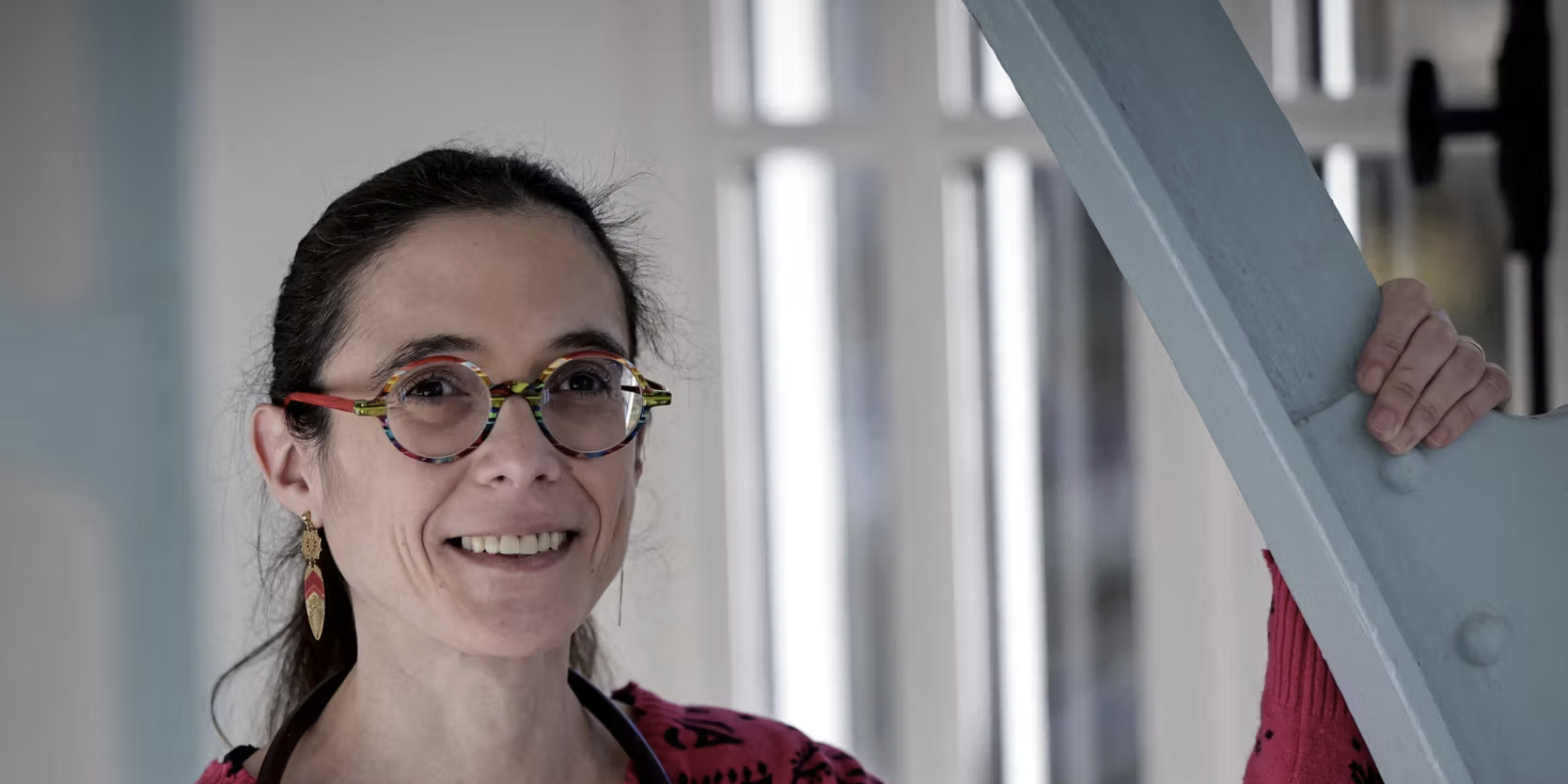 In 2022, Céline Greco was the recipient of the first edition of the League Against Cancer’s Axel Kahn "Pain and Cancer" Prize. She has authored 36 publications and holds 11 patents related to pain treatment.
Céline Greco founded PRELUDE (Program for Research and the Fight Against Childhood Pain), the first clinical and fundamental research platform dedicated to pediatric suffering. Understanding the signals that trigger pain, deciphering how pain messages travel, and being able to treat pain in a more targeted manner is a major challenge.
In pediatrics, therapies aimed at reducing pain remain scarce. There are fewer than ten analgesic molecules available for children suffering from rare and serious diseases, and almost none for infants under six months of age.
The PRELUDE project aims to offer innovative therapies specifically adapted for children to relieve pain associated with pediatric bone cancers. This type of pain is unique: it is resistant to morphine-based drugs and is therefore extremely difficult to alleviate. It often requires doses of morphine ten times higher than those used for similar pain of a different nature. Unfortunately, administering such high doses to a child is impossible due to the risk of fatal side effects.
The goal of PRELUDE is the development of analgesic treatments based on nanoparticles.
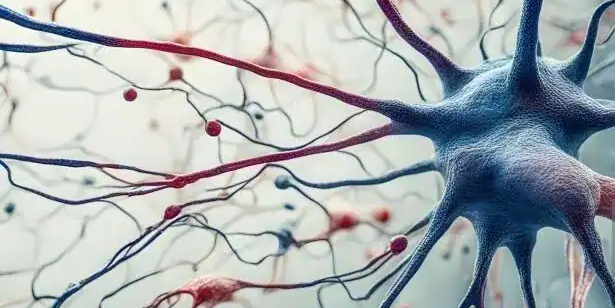
The idea is not to create new molecules, but to use miniature carriers to make existing drugs more effective and less toxic. Conventional analgesics (paracetamol, opioids, anti-inflammatories) often diffuse throughout the entire body, causing side effects such as digestive issues, drowsiness, and addiction.
Nanoparticles help solve three major problems:
Precise targeting : They can be programmed to release the medication only within inflamed tissues or damaged nerves.
Crossing barriers: They help drugs cross the blood-brain barrier (BBB) that protects the brain, which is crucial for treating neuropathic pain.
Sustained release : Instead of taking a pill every four hours, a single injection of nanoparticles can release the active ingredient steadily over several days.
“Hearing children say that a medication is ‘magical,’ and that they are no longer in pain thanks to our work, is an immense satisfaction and the primary source of my motivation.” (Céline Greco)
Locations : Paris (Paris-Saclay University, Gustave Roussy Institute, Curie Institute, Imagine Institute, and Necker-Enfants Malades Hospital AP-HP), Toulouse (Toulouse Purpan University Hospital), Marseille (Aix-Marseille University).
Total Budget : € 200,000
Partners / Co-participants : La Petite Étoile Foundation, Helebor Foundation, Imagine Institute, Necker-Enfants Malades Hospital AP-HP, Paris-Saclay University.
Funding provided by La Petite Étoile Foundation : € 6,000
Céline Greco is a hospital practitioner with a PhD in fundamental oncology. She is the head of the Pain Management and Palliative Care Unit at the Necker-Enfants Malades Hospital (AP-HP).
In 2022, Céline Greco was the recipient of the first edition of the League Against Cancer’s Axel Kahn "Pain and Cancer" Prize. She has authored 36 publications and holds 11 patents related to pain treatment.
Céline Greco founded PRELUDE (Program for Research and the Fight Against Childhood Pain), the first clinical and fundamental research platform dedicated to pediatric suffering. Understanding the signals that trigger pain, deciphering how pain messages travel, and being able to treat pain in a more targeted manner is a major challenge.
In pediatrics, therapies aimed at reducing pain remain scarce. There are fewer than ten analgesic molecules available for children suffering from rare and serious diseases, and almost none for infants under six months of age.
The PRELUDE project aims to offer innovative therapies specifically adapted for children to relieve pain associated with pediatric bone cancers. This type of pain is unique: it is resistant to morphine-based drugs and is therefore extremely difficult to alleviate. It often requires doses of morphine ten times higher than those used for similar pain of a different nature. Unfortunately, administering such high doses to a child is impossible due to the risk of fatal side effects.
The goal of PRELUDE is the development of analgesic treatments based on nanoparticles.
The idea is not to create new molecules, but to use miniature carriers to make existing drugs more effective and less toxic. Conventional analgesics (paracetamol, opioids, anti-inflammatories) often diffuse throughout the entire body, causing side effects such as digestive issues, drowsiness, and addiction.
Nanoparticles help solve three major problems:
Precise targeting : They can be programmed to release the medication only within inflamed tissues or damaged nerves.
Crossing barriers: They help drugs cross the blood-brain barrier (BBB) that protects the brain, which is crucial for treating neuropathic pain.
Sustained release : Instead of taking a pill every four hours, a single injection of nanoparticles can release the active ingredient steadily over several days.
“Hearing children say that a medication is ‘magical,’ and that they are no longer in pain thanks to our work, is an immense satisfaction and the primary source of my motivation.” (Céline Greco)
Locations : Paris (Paris-Saclay University, Gustave Roussy Institute, Curie Institute, Imagine Institute, and Necker-Enfants Malades Hospital AP-HP), Toulouse (Toulouse Purpan University Hospital), Marseille (Aix-Marseille University).
Total Budget : € 200,000
Partners / Co-participants : La Petite Étoile Foundation, Helebor Foundation, Imagine Institute, Necker-Enfants Malades Hospital AP-HP, Paris-Saclay University.
Funding provided by La Petite Étoile Foundation : € 6,000